Showing posts with label health. Show all posts
Showing posts with label health. Show all posts
Monday, March 16, 2015
Health and Heparan Sulfate Circulation — Connective Tissue is Alive
--- The other 200 posts are here ---
Arthritis, Alzheimer’s, diabetes, cardiovascular disease, osteoporosis, cancer, etc. are all diseases of cellular metabolism and secretion. What goes on inside cells and on their surfaces explains a lot about health and why we get sick. Cells feed off of what’s around them, use some of those materials to replicate and package up cell-made materials for export. Eat, replicate and secrete. Symptoms of disease result if those processes are compromised.
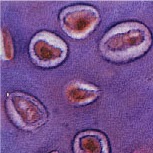
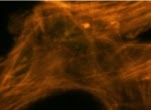 Cell that make Cartilage, Eat Cartilage
The connective tissue that makes up the cartilage of tendons and the non-mineral parts of bones, as well as a layers of skin, is made up of proteins (collagen) and polysaccharides (glycosaminoglycans, GAGs), e.g. heparan sulfate, hyaluronan and chondroitin sulfate, produced by chondrocytes or fibroblasts. These proteins and polysaccharides are synthesized and then secreted by cells. This process goes on continuously, since the connective tissue is alive and literally crawling with cells that make the cartilage. To keep the connective tissue healthy, the old tissue has to be digested, so that new material can replace it. Thus, the cells that live in cartilage also eat cartilage. These cells get all of their nutrients, e.g. protein and carbs, from eating cartilage. They don’t get glucose and amino acids, or even oxygen (they ferment), from the blood, because there are no blood vessels in cartilage. The photomicrograph at left shows the red chondrocytes surrounded by a light capsule of heparan sulfate as they burrow through the purple cartilage. The next micrograph shows the cytoskeleton of actin filaments (stained with a red fluorescent dye, that lies under the cytoplasm of a chondrocyte. Motor proteins move other proteins, such as syndecans, the proteins to which the heparan sulfate chains are attached, through the cell membrane (see the animations below.) The last micrograph shows the green stained microtubule network on which vesicles move to carry heparan sulfate products from one end of the cell to the other (under the actin and past the orange-dyed nucleus) during synthesis and digestion.
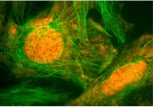 Chondrocytes Burrow Through Cartilage
Chondrocytes are the cells that eat and make cartilage, but all of this eating and making goes on at the same time that the cartilage is also holding everything together, i.e. it is still strong. If cartilage is cut and the cut ends are held tightly together, the chondrocytes will knit the cartilage together and it will become as strong as it was.
Heparan Sulfate Circulates over the Surface of Cells
Chondrocytes are not actually rigidly embedded in the cartilage, but rather maintain a capsule of heparan sulfate around themselves. Thus, they continue to secrete a mixture of heparan sulfate, chondroitin sulfate and collagen, but the heparan sulfate is recycled through the capsule and the other molecules merge into the existing cartilage. Thus, the heparan sulfate is a kind of carrier that keeps the cartilage from “setting up” while it is being made and transported. Other cells of the body, such as neurons, don’t make cartilage, but they still have heparan sulfate (HS) circulation that is intimately involved in many other processes, such as the action of hormones. Disruption of HS circulation causes the symptoms of Alzheimer’s or type 1 diabetes, for example, since amyloids assemble as filaments on threads of HS, and the amyloid filaments jam essential HS circulation. Plaque in atherosclerotic vessels is high in HS content. HS is also a major component surrounding vessels to form the blood brain barrier and the barrier to protein loss from kidneys into urine or loss into the gut lumin. Heparin (fragments of HS) is continually released from mast cells in the lining of the gut to prevent pathogens from binding to cell HSPGs.
HS Sweep the Cell Surface
There is a constant flow of heparan sulfate proteoglycans (HSPGs) through the cell membrane from the rear of the chondrocyte to the front where the HS is digested again and the protein that was embedded in the membrane, syndecan, is recycled to the Golgi for another trip. HSPGs (animation to left with blue protein and yellow HS) are attached to motor proteins that propel them through the membrane along microfilaments of actin that form the cyctoskeleton just under the membrane in the cortical region of the cell. Thus, the heparan sulfate of the HSPGs stick out like hair from the cell surface and sweep continuously from the back to the front of the cell. At the front of the cell, the HS sweeps through the intact cartilage and reverses the process of cartilage assembly. The chondroitin sulfate, collagen and HSPGs are dragged into the cell and digested. The protein parts of the HSPGs are transported to the Golgi and the HS is synthesized along with other cartilage components and moved in vesicles along microtubules before it is secreted.
HS is Secreted at One End and Eaten at the Other
The animation left shows 1) the initial digestion of the cartilage proteins and polysaccharides on the left. These cartilage components of amino acids and sugars, are used by the chondrocytes as their sole nutrients 2), and to produce new proteoglycans 3) HS and chondroitin sulfate proteoglycans, in the Golgi, are 4) packaged into secretory vesicles and are 5) secreted on the right. The HS chains, attached to proteins, are 6) swept through the membrane (see the first animation above) toward the front of the cell, leaving the collagen and chondroitin sulfate for form cartilage behind. In the process, the heparan sulfate proteoglycans 7) disrupt and solublilize old cartilage ahead as the chondrocytes 8) move through the connective tissue like moles digging through soil.
Other Cell Processes Involving Heparan Sulfate:
- Amyloids of Alzheimer’s and type I diabetes assemble bound to HS.
- Hormones bind to receptors wrapped around HS.
- Blood clotting is controlled by HS.
- Complement is controlled by HS.
- Blood brain barrier is composed of HS.
- Kidney protein barrier is composed of HS.
- Inflammation blocks HS synthesis and promotes heparanase synthesis.
- GAGs are animal soluble fiber when eaten and feed gut flora.
- Pathogens bind to HS.
- HIV-TAT is transported between cells by HS circulation.
- Heparin is made by heparanase fragmentation of HSPG in mast cells and is secreted along with histamine.
- NFkB activation inhibits HSPG production and stimulates heparanase production.
- Heparan sulfate proteoglycans organize nerve synapses and acetylcholine esterase binds to HS.
- Gastric proteases cleave around heparin binding domains of proteins, e.g. milk, consist of clusters of basic amino acids. Peptides with heparin binding domain are antimicrobial; all of the heparin binding peptides are subsequently degraded by pancreatic proteases.
- Heparanase is initially secreted inactive and bound to HSPGs, but it remains bound and is internalized again along with the recycling HSPGs, and is activated before being secreted again.
- Allergens and autoantigens are unusual proteins with sequences of three adjacent basic amino acids (arginine or lysine) that require HSPG circulation for presentation of the immune system. Nuclear proteins that interact with nucleic acids have sequences of four basic amino acids, the nuclear translocation signal, and are therefore common antinuclear auto antigens.
Health Diagrams

Health Diagrams II — Curing Autoimmunity and Allergies
---All 200 posts here---
In this second in a series of posts explaining the concepts that I think are central, but misunderstood, about health, I am focusing on how diet and gut flora impact the immune system and cause autoimmunity and allergies. This cause also suggests a simple cure.
Health in Diagrams I -- Gut Flora and Diet
Health in Diagrams III -- Inflammation from Cell to Tissue
Gut Flora to Tregs to Suppression of Autoimmunity
It is important to understand at the outset that autoimmunity and allergies are caused by a damaged immune system, and repairing the damage cures the diseases. Damage to the immune system typically represents a break in the continual development of immune cells in the lining of the intestines. Immune cell development in the gut is dependent on bacteria, the gut flora. Damage to the gut flora, e.g. by antibiotics, processed foods that lack flora feeding fiber or extreme diets, disrupts development of immune cells. Typically, loss of the immune cells that keep the aggressiveness of the immune system in check, regulatory T cells or Tregs, results in autoimmunity. Fix the gut flora and autoimmunity recedes.

Health Requires Suppression of the Aggressive Immune System
For simplicity, I am focusing on the T cells of the immune system that develop in the intestines and either kill other human cells that are dangerous, e.g. virus-infected or cancer cells, or provide protection by regulating the aggression, Tregs. Normal functioning of the immune cells permits elimination of damaged or dangerous human cells, while at the same time avoiding rampages of lethally armed T killers. Examples of untamed T killers in action are degenerative autoimmune diseases, such as arthritis, asthma, prostatitis, celiac, Hashimoto’s thyroiditis, type I diabetes, inflammatory bowel diseases and atherosclerosis.
Milk Births Baby Immune System
It should not be surprising that the focus of immune system development is the gut. We start as babies with explicit links between nourishment and immunological protection. Milk connects the immune systems of mother to baby. Immune cells from the mother are transferred in milk and colonize the respiratory and digestive system of the baby — the mother’s immune system coats and buffers the baby’s exposure to the world. Milk hormones close the baby’s gut and milk bacteria are the first probiotics that exploit the milk prebiotics (bifidus factor, human milk oligosaccharides) to produce a gut flora. [Also note that most commercial probiotics are adapted to grow on cow’s milk and hence these dairy probiotics do not survive in adults.] The lymphatic system of the breast terminates at the nipple and samples antigens/pathogens from the baby’s mouth, resulting in baby-specific secretory antibodies that return in the milk. Milk supports a starter set of gut flora, essentially dairy probiotics, that stimulates development of the baby immune system, but inhibits adult gut flora that would digest the protective components of milk. Formula, on the other hand, is inflammatory to the baby gut, because it supports adult gut flora before the immune system is ready. Inflammation and stimulation of innate immunity is sufficient, if supported with high levels of sanitation, to permit survival of babies fed formula. Milk of any type is incompatible with adult gut flora, so breast milk will attack adult gut flora and adult gut flora will digest and inactivate the otherwise beneficial components of the milk.
Milk, Kefir and Gut Flora
Aggressive and Suppressive Cells of Immune System Develop in Intestines
Gut bacteria are required for the development of immune T cells in the lining of the intestines. Mice grown without gut flora do not have functional immune systems. In humans, extensive antibiotic treatment produces defective immune systems that are either overly aggressive, i.e. autoimmune, or susceptible to infection and cancer. They can’t be both. Aggressive T killers are stimulated to develop by filamentous bacteria and Tregs develop in response to members of the Clostridium family. In a healthy body, there is a balance between aggression and suppression; there are functional defenses against infection and cancer, while also avoiding autoimmune disease and allergies.
Suppressive Tregs are Deficient in Autoimmunity
Immune cells result from replicative divisions of stem cells. Antibody producing B cells are produced through a million random rearrangements of antibody genes and those B cells producing antibodies against common self proteins are killed (clonal deletion). Similarly, T cells are produced by rearrangements of receptors and those that would recognize self are eliminated. The T cells then migrate to the intestines where they can develop into killer T cells or Tregs, in response to gut flora. The Tregs act to suppress killer T cells that mistakenly recognize healthy self cells. Thus, the initial elimination of self-attacking T cells or for B cells that produce antibodies that bind to normal cells, is not perfect and the Tregs are needed to avoid the mistakes. Tregs are necessary to avoid the immune attack on healthy cells that is the basis of autoimmunity.
Autoimmunity Starts with Inflammation, but Requires Deficient Tregs
Bacterial or viral infections, or physical damage causing inflammation is the first step in autoimmunity. It is the inflammation that initiates the interactions between proteins, autoantigens, of normal cells and cells of the immune system that bind, internalize, fragment and present the antigen fragments/peptides to activate B or T cells with corresponding receptors. The activated B cells make antibodies specific for the antigen and the T cells will kill cells displaying the antigen. It is interesting that most proteins are not autoantigens and are never involved immune reactions. Only proteins with an unusual triplet of basic amino acids, similar to the quartet of basic amino acids used to transport proteins into the cell nucleus, are candidates to be autoantigens or allergens. In fact, since nuclear proteins already have a quartet, i.e. the nuclear localization signal, they are common autoantigens. The last requirement for autoimmunity is a deficiency in Tregs, because if the Tregs are functioning, they will block attack on healthy cells. Treg deficiency usually results from loss of the type of gut bacteria that stimulate Treg production in the lining of the intestines, i.e. species of Clostridium.
Hospitals are Notorious for Clostridium difficile Infections
Fecal transplants are now recommended as a safe and efficacious treatment for C. diff hospital infections. That makes sense, because hospitals are where antibiotics are routinely used and C. diff can only infect people missing their healthy species of Clostridium. Thus, the hospitals wipe out the gut flora with antibiotics and then recolonize them with their own antibiotic resistant C. diff. More antibiotics can’t fix it, but providing healthy gut flora (transplant) can.
Autoimmune Diseases are Treated/Exacerbated with Antibiotics
Both the aggressive and the suppressive immune cells require gut flora, so after initial antibiotic treatment wipes out bacteria required for suppression and results in autoimmunity, the remaining aggressive half of the immune system can be eliminated by blasting the remaining gut flora with more antibiotics. Of course this will leave a highly compromised, incompetent immune system that will ultimately yield more extreme symptoms. This is the typical medical progression for Crohn’s disease, for example. The alternative is just fixing the gut flora to begin with and curing autoimmunity.
Cure Autoimmunity by Feeding Clostridium Resistant Starch
Autoimmune diseases, by their symptoms, show that sufficient gut flora to stimulate the aggressive half of the immune system is still present. What is missing are the Clostridium species that convert soluble fiber, such as resistant starch, into short chain fatty acids, e.g. butyrate. Patients treated with antibiotics usually walk away from the hospital with a suggestion to eat some yogurt to repopulate their missing gut flora. Unfortunately, dairy probiotics don’t survive in the gut and cannot repair the gut flora and immune system. The result, after the gut fails to repair and the immune system crashes, is autoimmunity. There is a more appropriate possibility to avoid or fix autoimmunity. Some people suffering from autoimmunity (and with remnants of their gut flora intact) have simply fed their gut flora on resistant starch and achieved complete recoveries. Others fail to respond, because their gut flora is too severely damaged and necessary bacterial species are gone. Those individuals need to eat the missing species of bacteria and some probiotics (more common in Asia) contain Clostridium species. Consistent with this use of soluble fiber to feed gut bacteria that produce butyrate and stimulate the suppressive immune system are reports of healing by combining potato starch (RS) and probiotics with Clostridium butyricum (Probiotic-3). Repair of the suppressive immune system by repair of gut flora (including fecal transplants) and feeding gut flora with appropriate soluble fiber, may be a general approach to the cure of most autoimmune diseases and allergies.
Paleo Gut Flora Repair
Can Apple’s HealthKit Avoid Health Exploitation
---All 200 posts here---

More healthcare begets more health costs and less health. Tests detect symptoms that trigger treatment, but more often than not fail to contribute to health. Apple’s newly announced HealthKit promises to facilitate increased surveillance of personal health statistics and to integrate the data with the health industry. If recent history is a guide, more data will simply mean more inappropriate interventions, greater expense and further deterioration of public health. More public interaction and scrutiny is needed to keep the public safe from the health industry and to hold doctors to their pledge to do no harm.
Breast, Prostate and Pelvic Exams Lead to Costly, Harmful, Unnecessary Interventions
In the last two years, major studies have found that frequent breast exams, prostate tests and pelvic exams cause more harm than good. The surgery, followup procedures and treatments that the screening tests trigger are worse than the cancers that went unnoticed under more relaxed scrutiny. The bottom line is that the information gathered from screening was not sufficient to produce appropriate, measured treatment. Patients were harmed without benefit and the health industry was compromised by increased profits from inappropriate tests and treatments. Doctors routinely convinced themselves of the value of routine exams that they performed to yield excessive false positives that resulted in unnecessary biopsies or disfiguring surgery. Those flawed exams, tests and procedures also contributed substantially to the profitability of their practices. Patients may have inadvertently been harmed, but the doctors knew that they benefited.
The Health Industry Pursues Profitable Tests and Treatment, not Causes and Cures
I was astounded a few years ago to read an article in the biomedical literature by a researcher who bemoaned the lack of interest in understanding the causes of diseases and the pursuit of cures. Public and private funds were only spent on patent-protected tests and treatments. I watched as the development and testing of fecal transplants demonstrated a safe and effective treatment for numerous diseases, and yet this approach was tracked down and caged by the health industry. I think broad use of this approach could save billions of health dollars, but there is no patent protection and minimal profit, so the approach was stiffled. The efficacy of fecal transplants also points directly at damaged gut flora (and antibiotics) as the cause of many diseases. Where is the public forum to discuss the use of public funds to promote approaches that are safe, effective, cheap, but without potential for proprietary exploitation? What will happen to simple cures, such as resistant starch and probiotics with Clostridium butyricum?
Is HealthKit Personal Data for Personal or Corporate Gain?
Will there be mechanisms for individuals to contribute their HealthKit data to large scale public health experiments to determine simple lifestyle, dietary and exercise approaches that can replace expensive and destructive pharmaceutical-based health industry approaches? HealthKit provides the potential to wrest health from the health industry. We will see if there is an app for that.
Sunday, March 15, 2015
Health in Diagrams I — Gut Flora and Diet
---All 200 posts here---
This is the first of three posts to summarize my thoughts on diet, inflammation and disease mediated by gut flora. I decided that I needed to make my points as explicit as possible by putting them down in diagrams and making references to my other posts. By the time I finish, I will reach my 200th blog post at Cooling Inflammation.
Health in Diagrams II -- Curing Autoimmunity and Allergies
Health in Diagrams III -- Inflammation from Cell to Tissue
Everyone Leaves Out Gut Flora
I want to first explain and diagram my current understanding of the relationship between gut flora (the complex community of hundreds of different types of bacteria and fungi in the intestines) and diet. My impression is that many people have health problems based on diet, but when they try to heal their health, they fix their diet and see only limited benefits. Medicine provides only a temporary treatment using dairy probiotics. The problem is that they failed to fix their gut flora, which was also damaged by their unhealthy diet.
Health Requires a Match between Diet and Gut Flora
It is a myth that gut flora will just adjust to diet and a healthy diet leads to a healthy gut flora.
A damaged gut flora lacks necessary species of bacteria. Antibiotics, for example, can permanently delete dozens of particular bacterial species of gut flora that can only be replaced by reintroducing the missing bacteria by eating those bacteria again. The missing bacteria may be needed to digest particular foods and the result is food intolerances, commonly mistaken for food allergies. Antibiotic use frequently leads to autoimmune diseases, that are caused by deficient regulatory T cells of the immune system that develop in the lining of the intestines in response to particular gut bacteria. The natural source of gut bacteria is eating the bacteria clinging to raw or fermented vegetables.
Antibiotics and Autoimmunity
Diagram Showing the Interaction of Food, Gut Flora and the Immune System

Food is just Protein, Fat and Soluble Fiber
The human body produces enzymes to fully digest proteins, fats and one polysaccharide, starch. All other parts of plants and animals are edible (fermented by gut flora) soluble fiber polysaccharides or insoluble, undigestible fiber consisting of cellulose or lignin, which together also make up the undigested organic matter, humus, of soil. Grains are problematical for health, because their starch is readily converted to sugar, i.e. high glycemic, and their fiber is insoluble (not fermented by gut flora) and high in phytate. Phytochemicals, plant polyphenolics, are of questionable value as antioxidants and are of unexplored importance for their antimicrobial impact on gut flora.
Phytochemicals, Natural Antibiotics and Antioxidants
Polymers (Protein, Starch) are Hydrolyzed by Enzymes to Oligomers and then Monomers (Amino Acids, Glucose)
The stomach mixes protein digesting enzymes, proteases, and starch digesting amylase, with food protein and starch. Proteases convert the long chains polypeptides, polymers of protein amino acids, into shorter fragments, oligopeptides. The specific nature of the stomach proteases leaves groups of basic amino acids (lysine, arginine), heparin-binding domains, intact. These peptides, similar to the defensins of the microvilli crypts, are anti-microbial and work with residual acidity to reduce bacterial growth in the first part of the small intestines. Pancreatic enzymes then digest the peptides further and the small peptides are ultimately digested by enzymes on the surface of intestinal epithelial cells just prior to absorption. Similarly, starch is degraded to oligosaccharide amylodextrins, which are then hydrolyzed to glucose at the intestinal surface prior to absorption. Amino acids and glucose are not normally available to bacteria in the intestines.
Antimicrobial Heparin-binding Domains
Fats are Dissolved by Bile, Digested by Lipase and Absorbed
Fats are triglycerides, i.e. three fatty acids attached to the three hydroxyl groups of glycerol. Fats are hard to digest, because they form oily droplets. The droplets are dissolved in the intestines with bile, which is an acidic form of cholesterol, that is produced in the liver and stored in the gall bladder. Fat in a meal triggers bile release from the gall bladder into the small intestines. The bile represents a huge reservoir of the cholesterol that is synthesized by the body and dwarfs the cholesterol content of any meal. Statins decrease body production of cholesterol, interfere with bile/fat digestion and lower lipid cholesterol levels. (Unfortunately, lowering lipid cholesterol levels has minimal impact on heart disease and the only impact of statins on cardiovascular disease is through weak anti-inflammatory side effects.) Pancreatic lipase removes two of the fatty acids from each triglyceride. The fatty acids (a.k.a. soap) and monoglyceride are absorbed by the intestinal cells and reformed into triglycerides that make their way to lymphatic lacteals and are dumped into the blood, where they circulate as chylomicrons surrounded in lipoprotein. Lipoprotein lipase binds to heparan sulfate on the surface of blood vessels and gradually removes fatty acids, until the diminished chylomicron is absorbed by the liver and exits as a VLDL. (Note that this is another connection between lipid metabolism and inflammation, since inflammation decreases heparan sulfate on cell surfaces. Heparan sulfate also mediates LDL binding to cells and amyloid stacking.)
Heparin-binding Domains
Plant Polysaccharides are Soluble Fiber and Food for Gut Flora
All that remains of food after the protein, fat and glycemic starch (glycogen) have been removed in the small intestines are plant cell wall polysaccharides, resistant starch, storage polysaccharides, e.g. inulin, plant beta-glucan, animal glycans, e.g. chondroitin sulfate and heparan sulfate, and insoluble fiber. The insoluble fiber passes on to be a minor contributor to the bulk of stools and the rest of the polysaccharide is potentially fermentable by gut flora into short chain fatty acids (formic, acetic, propionic, butyric acids). Some of the polysaccharides are simple repeating units of one or two sugars in long chains, but others are made of five to ten different sugars in complex branched structures. Simple repeating polysaccharides require just a few different enzymes for their initial synthesis and a few for their digestion. Thus, resistant starch can be digested by a couple of enzymes into glucose that can be used by most gut flora. Arabinogalactan, on the other hand, requires a dozen enzymes for plant synthesis and an equal number of hydrolytic enzymes to produce arabinose and galactose, which require further enzymes for metabolism in a select few of species of gut flora bacteria.
Resistant Starch as a Panacea
Food Intolerance/“Allergy” Indicates Missing Bacteria
Gut flora in general can produce several hundred different enzymes for digestion of diverse soluble fiber, but most soluble fiber polysaccharides can only be digested by certain bacteria and those bacteria increase, if the complementary fiber is present in the diet. If a fiber is absent from the diet, bacteria that specialize in digesting that polysaccharide will be eliminated. People living on diets limited to just a few types of soluble fiber can only digest those fibers and a shift in diet to other types of soluble fiber will lead to symptoms of dietary upset, such as bloating, gas production and food intolerance. Food intolerances reflect inadequate diversity in gut flora and a mismatch between bacteria and food. Food intolerances can be eliminated by repairing gut flora and the typical repair solution is eating homegrown fermented vegetables that provide the missing species of bacteria.
Paleo Gut Flora Repair
Immune Cells Develop in Response to Gut Bacteria
Most of the body’s immune cells are in the intestines. Cells of the immune system are constantly dividing in bones and the thymus gland, developing in the lining of the intestines and migrating to other tissues. Filamentous bacteria of the gut flora stimulate the development of aggressive immune cells that kill other cells that are infected with pathogens or viruses or are cancerous. Furrows perpendicular to the flow of food cultivate the growth of Clostridium species that ferment soluble fiber, e.g. resistant starch, and release butyric acid that stimulates the development of regulatory T cells, Tregs. It is the Tregs that control the aggressive immune cells and prevent attack on self (autoimmunity) or innocuous antigens (allergy). It appears that merely eating resistant starch, e.g. potato starch, with probiotics that contain butyric acid producing Clostridium bacteria may provide a cure for many autoimmune diseases.
Free the Animal: A Resistant Starch Primer for Newbies
Gut Biofilms Release Vitamins as Quorum Sensing Signals
The gut flora lines the intestines in numerous biofilm communities, which form from dozens of different species of bacteria that communicate by exchanging molecules called quorum sensing signals. These signals from the biofilms intimately attached to the lining of the intestines are vitamins. Thus, healthy gut flora are the major source of vitamins and other sources, such as fruits and vegetables are only needed, if the gut flora is damaged, e.g. by antibiotics.
Dr. Oz, Vitamins, Biofilms
Volume of Stools Reflects Gut Flora Fermenting Soluble Fiber
The bulk of bowel movements, stools, is bacteria, the compressed gut flora that accumulated in the colon while fermenting soluble fiber. We always hear that we need to eat fiber for regularity, but since insoluble fiber is only a minor contributor to stool volume and it is associated with anti-nutritive attributes, such as the binding and removal of zinc and iron by phytate, the fiber that counts for regularity is soluble fiber. Regularity results from the fermentation of soluble fiber polysaccharides producing short chain fatty acids, such as butyrate, that are the major source of energy for colon cells. And the growing bacteria in the colon provide most of the bulk of the hydrated stools. Inadequate dietary soluble fiber or damaged gut flora, dysbiosis, leave only dehydrated insoluble fiber and compact stools of constipation. Constipation can result from dehydration or excessive retention, but chronic constipation, even in the presence of adequate dietary soluble fiber, is an indication of damaged gut flora and an increased risk for diseases resulting from deficiencies of Treg production: autoimmune diseases and allergies. Constipation and associated autoimmune diseases can be cured by repairing gut flora and supplying adequate dietary soluble fiber.
Milk, Kefir and Gut Flora
Health Diagrams III — Inflammation from Cell to Tissue
---All 200 Posts---
I have explained my perspective in diagrams of the relationship between diet, gut flora and disease:
Health Diagrams I — Gut Flora and Diet
and of the interaction between gut flora, the immune system and autoimmunity:
Health Diagrams II — Curing Autoimmunity and Allergies
Now I am discussing how inflammation, the foundation of most chronic diseases, begins at the cellular level and results in the classic symptoms of tissue inflammation: redness, heat, swelling and pain.

NF-kB is the Transcription Factor that Controls Inflammation Genes
Of the 23,000 human genes, about 1,000 on each of 23 chromosomes, five dozen, e.g. enzymes involved in nitric oxide (vasodilation and erection hormone), synthesis of heparin sulfate and prostaglandin synthesis from omega-6 fatty acids or cytokines (IL-1, IL-6, TNFa), are associated with inflammation. These inflammatory genes are turned on or expressed in individual cells, when the inflammation transcription factor, NF-kB, is activated by any of numerous external signals, including inflammatory cytokines, bacterial or fungal cell wall materials (LPS or beta-glucan), advanced glycation end products (AGE, e.g. HgA1C, resulting from high blood sugar) or reactive oxygen species (ROS, e.g. super oxide, from insulin resistance).
NF-kB and Inflammation
Superoxid Causes Insulin Resistance
Inflammation is the Foundation of Growth, Birth, Cancer and Pain
We think of inflammation as the sum of physical symptoms, and our purpose in responding to inflammation is typically to limit its impact. We try to stop swelling by applying cold or hot, and we take aspirin to lower fevers and stop pain. We fail to realize that inflammation is essential to the growth and development of many different tissues, and that inflammation is a cycle that leads back to normal function.
Body tissues, such as the lining of the intestines or the uterus, continually produce new cells to replace the old that are sloughed off. NF-kB must be turned on for these growth and attrition cycles. Taking aspirin blocks NF-kB in the gut and stops local development of the lining, resulting in weak areas that bleed. That is why doctors encourage patients to drink a half glass of water before and after swallowing aspirin tablets.
Another more dramatic example of control of inflammation is conception, gestation and birth. Conception and gestation require inhibition of inflammation, to permit growth of a foreign organism (a fetus is half sperm genes) in the uterus. Chronic inflammation limits the ability of the uterus to suppress immune attack and can produce infertility, which is treated by aspirin and heparin, which suppress chronic inflammation. The return of inflammation at the end of gestation precipitates labor and birth. Excess Inflammation produces high levels of circulating inflammatory cytokines, which causes postpartum depression. Depression and chronic inflammation have the same cytokine profiles, i.e. depression is a symptom of chronic inflammation.
Birth and Inflammation
Proliferation, or enhanced cell division, is another aspect of inflammation and is also the foundation for cancer. That is the reason that some doctors recommend low dose aspirin to reduce colon cancer. Similarly, since inflammation is the basis for coronary artery disease, doctors sometimes recommend low dose aspirin, although this is controversial. Doctors also use aspirin as a so called blood thinner, since it blocks inflammatory signaling in platelets and discourages clotting. Inflammation of nerve cells is experienced by the brain as pain.
When it is understood that inflammation is an essential feature of many normal, healthy cell and tissue functions, then “inflammation," with its negative connotations, becomes a misnomer.
NSAIDs Inhibit Inflammatory Prostaglandin Production
Aspirin directly inhibits NF-kB activation inside the cell, but it also chemically modifies COX, the enzyme that converts omega-6 polyunsaturated fatty acids (common in polyunsaturated vegetable oils) into inflammatory prostaglandins. Other NSAIDS (Non-Steroidal Anti-Inflammatory Drugs) just inhibit COX, but Aspirin transfers its acetyl group to make acetyl-COX, which has a new activity that converts omega-6 fatty acids into anti-inflammatory prostaglandins. The high omega-6 fatty acid content of vegetable/seed oils, such as corn, soy, canola, etc. is why these oils, in contrast to olive oil or butter, are inflammatory. Omega-3 fish oil is anti-inflammatory, because it is converted to anti-inflammatory prostaglandins. Plant omega-3 fatty acids are shorter and are not converted to prostaglandins, but inhibit omega-6 conversion.
Aspirin
Nitric Oxide, Vasodilation and Viagra
Swelling is caused by vasodilation, the relaxation of blood vessels, and accumulation of serum in the tissue. This vasodilation also makes the tissue red and warm from the increased amount of warm blood in the capillaries. Vasodilation is caused by nitric oxide, NO, that is produced by an enzyme under the control of NF-kB, which takes the nitrogen from arginine (or nitroglycerine). The NO diffuses easily and binds to receptors that produce an amplified signal, cyclic GMP, that relaxes the muscle cells surrounding blood vessels. [Viagra is potentially dangerous, because it just exaggerates the amplified signal and obscures the underlying vascular damage, e.g. hypertension, that causes erectile dysfunction by blocking normal vasodilation.]
Nitric Oxide and Erectile Dysfunction
Hot/Cold and Endorphins
The dilemma of whether to use hot or cold therapy to block inflammation is based on a misunderstanding of what the temperature changes are actually doing. Changing the temperature of the skin alters the structure of sensory proteins in nerves of the skin and triggers signals to the brain that register as hot or cold. Chemicals, e.g. capsaicin or menthol, can have the same effect without changing skin temperature. The important response for inflammation control, is return signals from the brain that release neurohormones, e.g. endorphins, from different nerves that reach not only some of the skin that was hot or cold, but also deeper tissue. The endorphins block inflammation and all of its symptoms. That is why chemically treated pads are more effective than icing or changing from hot to cold, because "hot" and "cold" signaling chemicals can be applied simultaneously. None of the treatments is more than skin deep. Actually chilling or heating tissue below the skin is damaging and causes more inflammation. Low dose Naltrexone may be effective in some cases of chronic inflammation, by stimulating systemic rebound endorphin production.
Dr. Oz, Pain, Hot/Cold Receptors
Lymphocyte Offloading, Mast Cells, Heparin
Rosacea is a group of diseases that involve inflammation of the face in an exaggerated blush. Any of the signals that would lead to blushing cause intense vasodilation. A blush is fleeting, but rosacea is made chronic by another aspect of inflammation, offloading of lymphocytes. Large numbers of lymphocytes accumulating in response to a local infection would produce pus. In the case of rosacea, the distributed leucocytes, including neutrophils, respond to the blushing signals by producing inflammatory signals, such as P protein. The result is cycles of inflammation, autoinflammation.
Mast cells can also be offloaded from blood vessels and provide a link between the immune system and inflammation. Mast cells display IgE receptors on their surfaces, which bind antigens and trigger release of histamine, heparin and protease. Histamine is a neurotransmitter that binds to receptors on blood vessels and nerve cells. In the gut, histamine mediates many digestive processes. Heparin released along with histamine, coats the gut and prevents attachment of pathogens by competing for binding to the heparan sulfate proteoglycans (HSPGs) that form the surface of cells that line the gut. [Heparin is the most common drug used in hospitals and is produced from intestines of cattle and hogs in the meat industry.] Heparin also binds and inactivates the proteases released from mast cells. Upon release, the now active proteases attack and activate receptors on nerves and immune cells.
Mast Cells and Heparin
Heparin is Anti-Inflammatory
Heparin is the most negatively charged polysaccharide, mediates most of the receptor/hormone interactions at cell surfaces; facilitates amyloid plaque formation, e.g. in Alzheimers, atherosclerosis, diabetes, dementia; and controls numerous protease reactions in the complement system and clotting, etc. There are hundreds of heparin-binding proteins. Heparin is produced in secretory granules of mast cells by the action of heparanase on heparan sulfate proteoglycans. Heparin is a mixture of small fragments, oligosaccharides of heparan sulfate polysaccharides. Heparin is anti-inflammatory and is administered to facilitate conception and gestation. Inflammation also inhibits the genes involved in heparan sulfate proteoglycan production and since HSPGs are a major component of basement membranes of tissues and provide the barrier function of blood vessels in kidneys and brain, inflammation leads to proteinuria and loss of the blood brain barrier. Since HSPGs have a short half life of six hours and are rapidly recycled, heparin added to the blood is rapidly absorbed by vessels, and heparin taken orally is absorbed by intestinal cells, but does not reach the blood. HSPGs and heparin are central components of immunity and inflammation.
Heparin and Inflammation
Inflammation Blocks Skin Synthesis of Vitamin D from Cholesterol
Inflammation blocks solar synthesis of vitamin D in the skin and is more important than skin pigmentation, use of sunblock or latitude in producing vitamin D deficiency. The vitamin D content of food is negligible compared to solar production in the skin. It is not surprising that rising chronic inflammation is also accompanied by rising vitamin D deficiency. Vitamin D supplementation is usually ineffective in curing vitamin D deficiency, because the supplements are too low and very high levels of supplemental vitamin D are required to reverse underlying chronic inflammation. Statins are very effective at blocking cholesterol synthesis and although reducing cholesterol has minimal impact on the target, cardiovascular disease, it dramatically reduces vitamin D causing muscle pain, etc.
Most vitamins are enzyme cofactors synthesized by gut bacteria and used as quorum sensing signals during formation of biofilms. Vitamin D, in contrast, is a steroid hormone and receptors for vitamin D are inside cells. The receptor/vitamin D complex is transported into the nucleus where it acts as a transcription factor to control the expression of genes. Vitamin D controls the expression of defensins in the crypts of the villi of the small intestines. The antimicrobial activity of defensins is based on the basic amino acids (arginine and lysine) of its heparin binding domains. Vitamin D also interacts with NF-kB in the nucleus and modulates inflammation.
Inflammation and Vitamin D
Bacteria and LPS
Lipopolysaccharide is a wall component that is indicative of bacteria, just as beta-glucan is indicative of fungi, and both are intense activators of NF-kB and inflammation. LPS is released from damaged bacteria, e.g. by antibiotic treatment, binds to receptors on the surface of intestines and stimulates inflammation with release of NO, which produces diarrhea. Food intolerances, which are based on incomplete digestion of food components, because of an incomplete gut flora (immunological responses/food allergies are rare) are probably also the result of LPS release from gut flora and inflammation.
Innate Immunity is also Triggered by LPS
The basic defenses of humans against microorganisms are mediated at the cellular level by triggering molecules common to all microorganisms, e.g. LPS for bacteria. The responses are equally general: lysozyme to digest bacterial wall peptidylglycan, lactoferrin that binds iron and yields antibacterial peptides. LPS (and inflammatory cytokines) also stimulates the liver to produce CRP (C Reactive Protein) that binds to choline on bacteria as the first step in phagocytosis and DNAse I that digests NETs (neutrophil extracellular traps) that are the DNA and histones released by triggered neutrophil cells that enmesh bacteria for engulfment by phagocytic cells. [NETS plug peripheral catheters and can be cleared with probiotics that stimulate DNAse I release from the liver.] NETs are also present at sites of inflammation and the accompanying nuclear proteins have the basic triplets that stimulate immune presentation and act as autoantigens, i. e. produce anti-nuclear antibodies, in the absence of adequate Tregs.
Diet and Inflammation
The diagram outlines the interactions that produce the tissue symptoms of inflammation. Many components of modern diet can trigger inflammation:
Sugars and high glycemic starches raise blood sugar and enhance AGE/HgA1C.
Vegetable oils high in omega-6 oils are converted into inflammatory prostaglandins.
Wheat and other grains have high glycemic starch and insoluble fiber that is inflammatory. Gluten is inflammatory.
Antibiotics damage the gut flora and produce vitamin deficiencies, autoimmunity and allergies.
Food intolerances result from damaged gut flora and produce gut inflammation.
Fish high in omega-3 EPA and DHA are anti-inflammatory.
The Anti-Inflammatory Diet
Health Results from a Balance of:
Diet (meat, fish, eggs, dairy, vegetables), containing macronutrients of protein, starch 30-100 g/d and fat (low omega 6/3 and saturated fat for most calories), and micronutrients
Soluble Fiber, e.g. resistant starch (consult Free the Animal), inulin, pectin, (plant polysaccharides, animal GAGs)
Gut Flora, diverse and adapted to dietary soluble fiber,
Exercise
Resistant Starch, Panacea, but Why?
Mark’s Daily Apple provides an authoritative diet guide (except for the gut flora).
Saturday, March 14, 2015
Natural Health in 2010
Here are my top 5 natural health links for 2010 (so far). This looks like its going to be a banner year for alternative and complementary medicine news! Great to see!
Link #1 - Vitamin E News and Updates
Link # 2 - Metformin for Blood Sugar and Cardiovascular Health
Link # 3 - Super Blue Green Algae - Chlorella and Spirulina
Link # 4 - Recipe: All Natural, Low Carb Peanut Butter and Jelly Cookies
Link # 5 - Choline: The Little Known B-Vitamin You Should Know About
I hope you find these Healthy Fellow links to be as informative and useful as I did. My hope and wish for you all is an upcoming year filled with the best of health and much joy and love!
Read more »
Alternative Health News Update
What an incredible week of health information on the net. My top five columns deal with health issues ranging from the common cold to high cholesterol to male infertility and even osteoporosis.
Here are my suggested reads for this past week:
1. Ginseng for Colds and Flus - An ancient remedy proven effective by modern science!
2. The Truth About Red Yeast Rice and Cholesterol - The pros, the cons and the unknowns about this controversial supplement.
3. Natural Remedies for Male Infertility - Male reproductive issues play a major role in many couples inability to conceive. Find out what can be done about it.
4. Tai Chi for Diabetes - This mind-body medicine appears to be a legit adjunct for those with blood sugar imbalances.
5. Acupuncture for Schizophrenia, Carotenoids for Macular Degeneration and Antioxidants for Stronger Bones and More! What a grab-bag collection of scientific studies!
I hope you have the chance to check out these interesting alt-med finds. May they benefit your health and the health of those you share them with!
Read more »
Saturday, March 7, 2015
Jennifer Cornbleets Raw Vegan Jumble Berry Upside Down Cake A Big Hit At Sonoma County Raw Health Expo

Jennifers latest book on raw desserts.

Jennifer Cornbleet at Sonoma Countrys Raw Health Expo
Once again, Jennifer Cornbleet whips up a dish in minutes in front of an adoring crowd at the recent Raw Health Expo in Sebastopol. Jennifer has always been one of my favorite raw chefs and has been the inspiration for many of my healthful raw recipes. What sets her apart is her ability to make delicious dishes in minutes, not hours, and without the use of fancy or expensive equipment.
At this raw food demonstration, she made a beautiful upside-down cake with a mixture of seasonal fresh blueberries, raspberries and strawberries. She did this at the very end of the discussion of her latest book, "Raw For Dessert", in which this recipe can be found. As the time keeper started flashing cards saying, "15 minutes left", then "10 minutes left", I kept wondering when she was going to make this cake? Finally, with only 5 minutes to go she began whipping up the raw crust and scooping berries into a pan. Minutes later, after pressing two layers of berries and 2 layers of crust into a parchment lined cake pan, she quickly ran a knife around the edges, turned the pan upside down and voilà, a beautiful dessert! I will definitely be serving this at my next dinner party!
But How Healthful is this Cake?
Although raw desserts tend to be high in fat and calories, the ingredients of dates, nuts and coconut are natural, unprocessed and free of cholesterol. Jennifer points out that in raw recipes these ingredients take the place of processed sugar, high cholesterol butter and white flour found in traditional cake recipes. I did an analysis of the nutritional content of her recipe and found the recipe to be under 250 calories per slice (pretty good for a rich cake). Though high in fat (16.2 g of fat, 6.9 g of which is saturated), the fats come from omega 3 rich walnuts and tropical oils. In fact each slice has a whopping 1.3 grams of omega 3 essential fatty acid. In addition, each slice provides over 5 grams of fiber, far greater than what you would find in a traditionally made cake. I wouldnt call this cake a "health food" that you should consume everyday, but for a special dessert, this fresh and delicious dessert is a keeper.
With Jennifers permission, I will share this wonderful recipe with you. Here it is!
***
Jennifer Cornbleets Jumble Berry Upside-Down Cake
From her book, "Raw For Dessert"
[One 6 inch cake makes 8 servings]
The Berries
1 cup fresh blueberries
3/4 cup fresh raspberries
3/4 cup sliced fresh strawberries
1 tablespoon light agave syrup (optional)
The Shortbread Crust
1 cup unsweetened shredded dry coconut
1 cup raw English walnuts (unsoaked)
1/4 teaspoon salt
6 pitted Medjool dates
Place the berries and agave syrup in a mixing bowl, toss to combine and let sit for 5 minutes. She left out the agave syrup during the demonstration and I dont think its necessary either. But the agave will make it sweeter and juicier.
To make the shortbread crust, place the coconut, walnuts and salt in a food processor fitted with the S blade. Process until finely ground. Add the dates and process until the mixture begins to stick together. Dont over-process. Set crust aside.
Line a 6 inch cake pan with parchment paper. Place half of the berries on the paper and top with half of the crust, distributing it evenly. Press down with your hand to compact. Repeat with the remaining berries, and then cover with the remaining crust. Chill in the refrigerator for at least 30 minutes or up to 12 hours before serving.
To serve, run a knife around the edge of the pan to loosen the cake. Place a serving plate upside down on the cake pan. Invert, then lift the pan off. Remove the parchment.
Covered with plastic wrap and stored in the refrigerator, Jumble Berry Upside-Down Cake will keep for 2 days.
Per serving (with agave syrup): 247.4 calories, 16.2 g fat, 6.9 g saturated fat from tropical oils, 0 mg cholesterol, 3.2 g protein, 25.4 g carbohydrates and 5.4 g of fiber.
Per serving (without agave syrup): Reduced to 239.9 calories, 23.4 g carbohydrates and the rest of the nutrient values are the same as above.
Health Expert Warns Against Kim Kardashian’s New Weight Loss Technique — ‘Your Organs Need Room!’
Kim Kardashian‘s latest attempt tocinch her waist is not a healthy option the reality TV star should be promoting, and a lifestyle and wellness expert exclusively tells RadarOnline.com why.
On August 21 Kardashian, 33, posted a photo on her Instagram wearing a mid-section hugging corset, tagging Whats A Waist waist training founder Premadonna.
“#hourglass #waisttraining #nophotoshopnecessary #whatawaist.com @premadonna87,” she wrote.
“Your organs needs room!” wellness expert and founder of Vertical Wellness, Shanna Israel, exclusively told Radar.
“You don’t want to create health issues due to ill fitting garments. Like any diet or practice, if you push your body the wrong way or force it into compromising positions there can be negative effects.”
Waist training involves wearing a corset-like device that will allow you to “instantly look 2-3 sizes slimmer” without any exercise or surgery, but experts suggest it’s actually moving the lower ribs in an unnatural way, which is why your waist appears smaller.
And Kim isn’t the only Kardashian who loves a corset.
In May her sister Khloe revealed her tiny waist following a 30-pound weight loss with an Instagram picture captioned:
“I love my waist trainer from @premadonna87!!!! Miss @blacchyna has me obsessed!!! Who doesn’t love to feel tight and right?!? #whatsawaist #waistgang #Fitness #GetItRight.”
“Tight clothes can impact your organs and possibly create cramping or breathing issues,” Israel warns.
“I know women in other countries wear tight corset like wraps to shrink their stomachs after pregnancy… I believe results differ based on each persons experience . Also, when looking at the success stories of others keep in mind you don’t know what else they are doing to lose weight. It could be a combination of factors.”
By Amber Ryland
Source: radaronline
Chanukah And Christmas Gift Ideas For Health Conscious CooksMany Gifts Under 20 And 35
 |
| Gift ideas for health-conscious cooks. Follow Foods For Long Life on Facebook and Pinterest. |
Meaningful and Useful Gifts
I love giving people gifts that involve cooking - gifts that inspire a person to create a delicious meal and enjoy it with family and friends. Its fun to help a young person stock their first kitchen or to give an experienced cook a new innovative kitchen tool. So heres my list of new things Ive discovered or enjoyed this year that I think would make great gifts.
Lots of people enjoyed my 2013 Great Christmas Gifts for Healthy Cooking so make sure you check out that list also.
Things for the Kitchen that Make Wonderful Gifts - 2014
Gifts Under $20I fell in love with Silpat mats this year. They line your pans and are perfect for making Garlicky Rosemary Roasted Potatoes or Vegan Italian Pignoli cookies. NOTHING sticks to these mats and they allow you to cook without using oil to grease the pans.
 |
| Making cookies is a snap on these Silpat sheets, especially sticky ones like pignolis or macaroons. |
You can buy Silpat mats in different sizes to fit half sheet pans, 14 3/8-inch x 9 1/2-inch pans, even toaster oven pans. These all run under $15 each.
Bean, Rice, and Grains make a beautiful and inexpensive gift, especially if you buy unusual heirloom varieties in pretty one-pound packages. You can find a huge variety of conventionally grown and organic beans, rice, corn, and corn flour at Purcell Mountain Farms. Rancho Gordo also has a very nice selection of similar products.
 |
| Jubilee Rice, Marrow Beans, Black Beans, and Anasazi Beans from Purcell Farms. |
See my recipe for Marrow Beans with Lemon and Rosemary. I bought these lovely, creamy beans online from Purcell Mountain Farms. But purchase as many as you will need at one time to defray shipping costs.
Measuring Spoons are a great gift for any young chef, or experienced chef who needs new ones. You can pick them up anywhere and you can definitely find some for under $20. I like the ones that have a rounded spoon on one side and an oblong shape on the other. The oblong side allows you to fit the spoon into narrow spice jars.
 |
| Prepworks stainless steel magnetic measuring spoons from Progressive International are under $15 |
Cookbooks are always a great gift. Just stroll through your local bookstore and find something with lots of beautiful pictures that would inspire someone to cook. Im sure you will find lots of great cookbooks for under $20.
If the person you are buying a gift for has a reader, like a Kindle or IPad, you can send them my eBook, Health Begins in the Kitchen, available on Amazon and iTunes for only $9.99. Youll enjoy the 145 mouth-watering photographs and the 160 vegan recipes (most are gluten free.) And its also packed with critical nutritional information, menus for entertaining, a Seasonal Food Plan as well as information and recipes to do a Raw Food Cleanse.

Thanks to all who have bought the book this year and who have supported my vision to teach people how to cook simple, delicious, and healthy plant-based meals.
Gifts under $35
This year I bought my first Ceramic Knife and I love it! They are incredibly sharp and stay that way for a long time. The one I have is the Kyocera Revolution 5 1/2-inch Santoku Knife with a white blade. Its a good size for chopping veggies. The perfect gift for those friends with dull knives!
 |
| Kyocera Ceramic Knife |
An Immersion Blender is an amazing kitchen tool. Instead of having to blend those creamy soups in your blender (and often in batches), you just immerse this hand blender into your soup pot and voila, youve got blended soup.
Heres one thats a little nicer than mine because it has 2 speeds. Its the Cuisinart Smart Stick 2-Speed Immersion Hand Blender in brushed chrome. To see how I use this tool, read my post on how to make Creamy Celeriac, Potato and Pear Soup.
 |
| Immersion hand blender |
Another great gift is Wine! Recently I wrote about why its important to know What is in Your Wine. The Pinot Noir we grow in our vineyard here in Sebastopol is not only delicious but its vegan and gluten free. Check out our Turtle Vines Pinot Noir which is one of the wines featured in the Modvive Ultimate Gift Guide.
Gifts over $50
Spice up someones life with a collection of spices. I particularly like using and gifting Organic Spices. Go to a local spice store and buy what you think a person would use. If its a spice that the person hasnt yet tried, it would be nice to include a sample recipe that includes the spice. It the person you are buying for is just setting up their kitchen (a newly married couple, for example), buy them a spice set.
This Simply Organic Gourmet Starter 12 Spices Gift Set looks really nice. I like to use organic spices because they are dried and concentrated and any toxins or pesticides on the leaves will also be concentrated. These spices are certified organic, kosher, and gluten free. They include: All purpose seasoning, basil, cayenne pepper, chili powder, cinnamon, cumin, garlic powder, Italian seasoning, onion powder, oregano, paprika, and thyme.
 |
| A very nice selection of spices from Simply Organic. |
Now for my favorite gift which I will happily give to anyone on my Christmas list who wants one. The Amazing Electric Instant Pot. I blogged about it in October and I still LOVE this pot and use it every day. Read about how this pot has changed my life! When I wrote about it, I only focused on its use as a pressure cooker, which is perfect for cooking beans, grains, stuffed artichokes, stews and other dishes that usually take a long time to cook. But it does a lot more. Its also a slow cooker, pressure steamer, and a rice cooker. I look forward to using every function of this pot!
 |
| Amazing Instant Pot Pressure Cooker and more. |
Dont forget to check out my 2013 Gift Recommendations,
Happy Shopping!
Subscribe to:
Posts (Atom)